Summarize this article with:
In the world of marketing and communication, the terms brand identity and visual identity are often used interchangeably. However, although closely linked, they refer to distinct concepts. Understanding the difference between these two notions is essential to build a coherent, effective brand strategy. This article explores both concepts in depth, their respective components, and the way they interact to create a strong brand image.
TL;DR
🎯 Brand identity is what the brand is: mission, values, personality, promise, tone of voice.
✅ Visual identity is what people see: logo, colours, typography, iconography, layout.
💡 The second translates the first; without a clear brand identity, visual identity is just decoration.
01What is a brand identity?
Brand identity is the set of characteristics and values that define a company and set it apart from its competitors. It covers the mission, vision, values, positioning, promise, message, storytelling, target audience and customer experience. In short, it is the company's personality and the way it wants to be perceived by the public.
02The components of a brand identity
Mission, vision and values
The mission defines the company's reason for being, what it seeks to accomplish. The vision describes the long-term goal, the company's future aspiration. Values are the fundamental principles that guide the company's actions and decisions. These elements form the foundation of the brand identity and steer its overall strategy.
Brand positioning
Positioning determines the place the brand occupies in consumers' minds compared with its competitors. It rests on the unique attributes and benefits the brand offers, and on the way it wants to be perceived in the market.
The brand promise
The brand promise is the commitment made to customers about the experience or benefits they can expect from the company's products or services. It must be credible, relevant and differentiating.
Brand message and storytelling
The brand message is the clear communication of its value proposition. Storytelling means telling an engaging story around the brand, creating an emotional connection with the public and making the brand more memorable.
The target audience
The target audience is the specific group of consumers the brand seeks to reach. Understanding the needs, preferences and behaviours of this audience is essential to develop relevant messages and offers.
Customer experience
Customer experience covers every interaction a customer has with the brand, from discovery to purchase and beyond. A positive experience encourages loyalty and positive word of mouth.
03What makes a good brand identity?
Good branding is coherent, authentic and aligned with the company's values and mission. It creates a strong, recognisable identity, sets the brand apart from its competitors, and builds a relationship of trust with the target audience. Effective branding is also flexible, able to adapt to market changes while staying true to the brand's essence.
04What is a visual identity?
Visual identity is the graphic representation of the brand identity. It includes the visual elements that communicate the brand's values and personality, such as the logo, colour palette, typography and imagery. These elements create a coherent, distinctive image that makes the brand easy to recognise.
05The components of a visual identity
Logo
The logo is the central element of the visual identity. It must be simple, memorable and reflect the essence of the brand. A good logo adapts to different media and sizes while remaining recognisable.
Colour palette
The colours chosen to represent the brand influence the public's perception and emotions. A coherent colour palette strengthens the brand identity and makes it easier to identify.
Typography
Typography contributes to the brand's tone and personality. The choice of fonts must be legible, appropriate to the brand message and used consistently across all media.
Imagery
Images, whether photographs, illustrations or graphics, must be in line with the brand's aesthetic and values. They reinforce the message and create a visual connection with the public.
Examples of visual identity
To better illustrate the impact of a well-designed visual identity, here are two concrete examples:
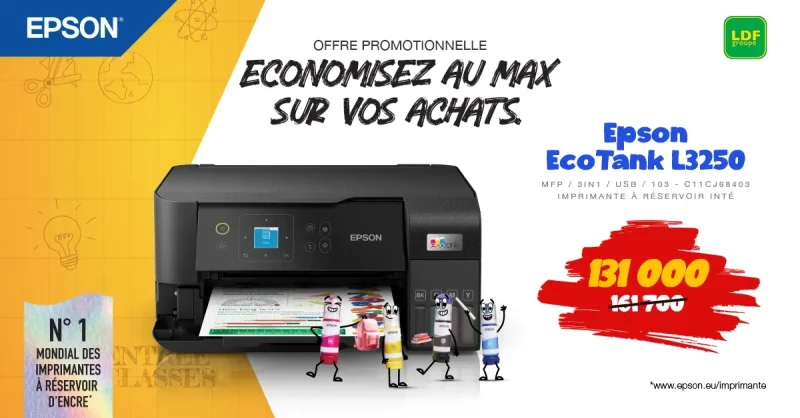
1. Epson – EcoTank L3250
The visual identity of this campaign rests on a dynamic combination of bright colours, modern typography and engaging graphic elements (such as the smiling ink-cartridge mascots). The whole conveys a clear message: reliability, savings and accessibility. The Epson logo remains very present, guaranteeing immediate brand recognition.
2. Maestro Tendance
This image from the Maestro shoe brand illustrates elegance and refinement through a harmonious composition and a rich, warm colour palette. The star-shaped arrangement of the shoes evokes the diversity of choice while keeping visual consistency.

06What makes a good visual identity?
A good visual identity is distinctive, coherent and adaptable. It faithfully reflects the brand identity and effectively communicates its values and personality. It must be flexible enough to be used across various media and platforms while maintaining a uniform appearance.
07Why is the brand's visual identity important?
Visual identity is crucial because it is the first impression a company leaves on its audience. A coherent, attractive visual identity strengthens brand recognition, makes it easier to remember and conveys the company's values and personality. It plays a key role in market differentiation and in creating an emotional connection with customers.
08What is the difference between the two?
Although brand identity and visual identity are closely linked, they serve different functions:
- Brand identity is the very essence of the brand: what it stands for, what it promises, how it communicates, and the experience it offers its customers. It is a strategic and emotional concept.
- Visual identity, on the other hand, is the graphic translation of that essence. It makes the intangible elements of the brand identity tangible and recognisable.
In other words, visual identity serves brand identity. One cannot exist effectively without the other. A brand can have a beautiful visual identity, but if it does not faithfully reflect its positioning or values, it will lack impact. Conversely, a brand with a strong identity but an inconsistent visual identity will struggle to be recognised.
09Summary
To build a powerful, memorable brand, you need to master both your brand identity and your visual identity. The first defines the company's purpose, voice and values. The second materialises these elements visually to ensure consistency, recognition and impact at every touchpoint with the public.
A successful brand strategy rests on perfect synergy between these two dimensions. They must evolve together, adapt to market changes and stay in tune with the expectations of the target audience.